




I. Mistake #1: “I drink milk, so I get enough calcium.”
Calcium is important—but it’s not the whole story.
In reality, your body also needs magnesium, vitamin D3, and vitamin K2 to absorb and properly use calcium. Without them, excess calcium can remain in your bloodstream and may even contribute to arterial calcification, not stronger bones.
Milk alone also doesn’t address inflammation, collagen loss, or the other nutrients required for joint resilience.
A 2020 meta-analysis in Nutrients found that calcium combined with vitamin D3 significantly improved bone mineral density compared to calcium alone.
So now, let's create a balanced bone health routine instead (includes synergistic nutrients, anti-inflammatory habits, and weight-bearing movement). Add calcium-rich foods like kale or sardines and include magnesium from nuts or spinach.
Get vitamin D3 from sunlight or salmon to aid absorption. Try weight-bearing activities like walking or dancing, which increase BMD by 1–3% yearly. If your diet falls short, talk to your doctor about a supplement to round things out.

II. Mistake #2: “Osteoporosis is an issue only for the elderly.”
Bone loss actually begins much earlier than most people realize.
Starting around age 30, we gradually lose bone mass. Factors like poor diet, stress, or a desk-bound lifestyle can speed this up. By the time a fracture reveals osteoporosis, the damage is often advanced, and prevention is tougher. Younger adults, especially women, need to act early to build a strong bone bank.
According to the International Osteoporosis Foundation, 1 in 3 women and 1 in 5 men over 50 will experience osteoporotic fractures.
Prevention should begin in your 30s or even earlier with the right nutrition and movement strategy. The sooner you build bone density, the more protected you are in later years.
Read more:
-
EARLY WARNING SIGNS OF JOINT DECLINE & HOW TO REBUILD FROM WITHIN
-
Why You Need to Take Bone and Joint Health Seriously – Before It Hurts
-
The Hidden Causes of Weak Hair: How to Restore Strength Naturally
III. Mistake #3: “If my joints hurt, I should avoid movement.”
When your knees or hips ache, resting feels like the answer - but too much rest can backfire. Joints need movement to produce synovial fluid, which lubricates them, and to strengthen surrounding muscles. Avoiding activity can lead to stiffer joints, weaker muscles, and more pain over time. I’ve seen people transform their comfort levels just by adding gentle movement to their routine.
A study in Arthritis Care & Research showed that low-impact exercise significantly reduced pain and improved joint function in osteoarthritis patients.
Fix it? Start with gentle activities like 15-minute walks or yoga to lubricate joints without stress. Strengthen muscles with exercises like squats, which reduce knee pain by 20% over 12 weeks (Anwer et al., 2017) If pain is severe, work with a physical therapist for a tailored plan and pair movement with anti-inflammatory foods like berries or turmeric to ease discomfort.
IV. Supporting Your Bones and Joints the Smart Way
Taking care of your bones and joints is about building habits that last, not chasing quick fixes. Here’s how to do it right, based on what I’ve learned works for real people:
-
Nourish Your Body: Fill your plate with bone- and joint-friendly foods. Leafy greens, fatty fish, and nuts provide calcium, magnesium, and zinc. A 2021 study in Nutrients showed that diets rich in these nutrients cut fracture risk by 15% (Zeng et al., 2021). Aim for 1,000–1,200 mg of calcium and 800–2,000 IU of vitamin D3 daily (Holick, 2007).
-
Move Regularly: Commit to 30 minutes of low-impact exercise, like cycling or swimming, 5 days a week. This strengthens bones and reduces joint pain by 20% (Juhl et al., 2020). Even small bursts of movement, like stretching during a work break, add up.
-
Reduce Inflammation: Cut back on sugary snacks and processed foods, which spike inflammation. Add anti-inflammatory spices like ginger or turmeric—studies show they lower joint pain markers by 10–15% (Daily et al., 2016).
-
Listen to Your Body: If you notice stiffness or aches, don’t ignore them. Early action, like tweaking your diet or seeing a doctor can prevent bigger issues. A DEXA scan or blood test can spot nutrient gaps or bone loss early.
When you’re ready to go further, consider targeted support.
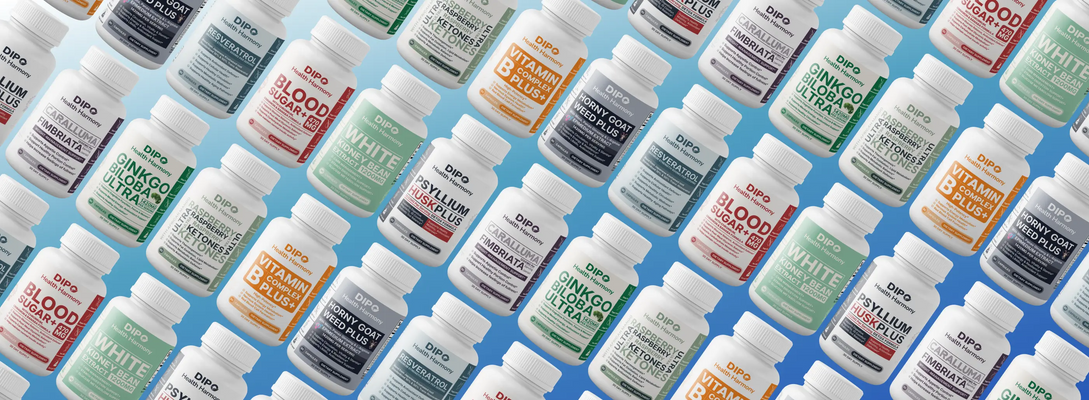
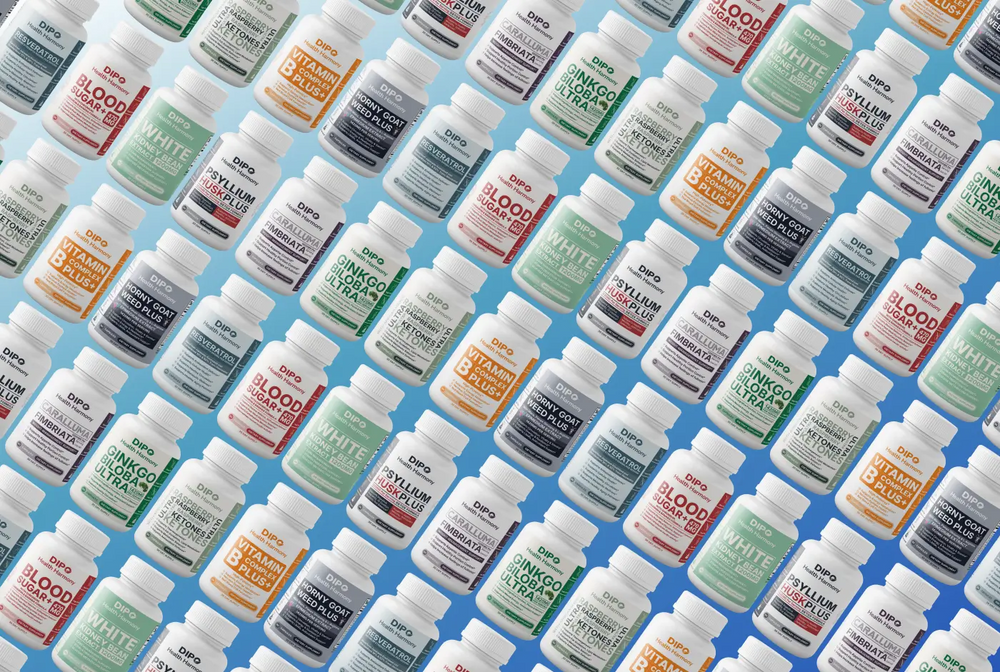
At DIPO, we believe strong bones and flexible joints require a science-based approach. That’s why our Bone & Joint Health collection is developed with bioavailable nutrients that work in harmony - formulated with transparency in sourcing and quality.
Every product is backed by:
-
Certificate of Conformity (COC) – ensuring each batch meets manufacturing and safety standards
-
Certificate of Analysis (COA) – verifying the exact nutrient content and purity
Because you deserve to know exactly what you're putting into your body, especially when it comes to long-term health.
📌Takeaway: You don’t need to overhaul your life to protect your bones and joints—just make smarter choices. Swap one soda for a nutrient-packed smoothie, take a walk after dinner, or explore Dipo’s collection to fill nutrient gaps. These small steps build a stronger, more mobile future—one where you’re free to live without pain holding you back.
V. Conclusion
Taking care of your bones and joints isn't just about avoiding pain, it's about preserving your freedom, mobility, and confidence as you age. The small choices you make daily - what you eat, how you move, and how you supplement can shape how you walk, lift, rest, and live for decades to come.
And when you're ready for deeper support, remember: quality matters. At DIPO Health Harmony, we’re committed to delivering products with full transparency, traceability, and clinically supported formulas, so you can trust what you’re putting in your body.



Leave a comment
All comments are moderated before being published.
This site is protected by hCaptcha and the hCaptcha Privacy Policy and Terms of Service apply.